 English
 Polski
 Deutsch
 Français
 ελληνικά
 Español
 Italiano

38,89 €

Quantity:
Total:
Total products:
Total shipping: To be determined
Total:
Science-based food supplements

Manufacturer: Life Extension
Waiting for delivery
| Quantity | Price | You Save |
|---|---|---|
| 2 | 11,40 € | Up to 0,95 € |
| 4 | 11,17 € | Up to 2,85 € |
By buying this product you can collect up to 11 loyalty points. Your cart will total 11 points that can be converted during next order into a voucher of 0,55 €.

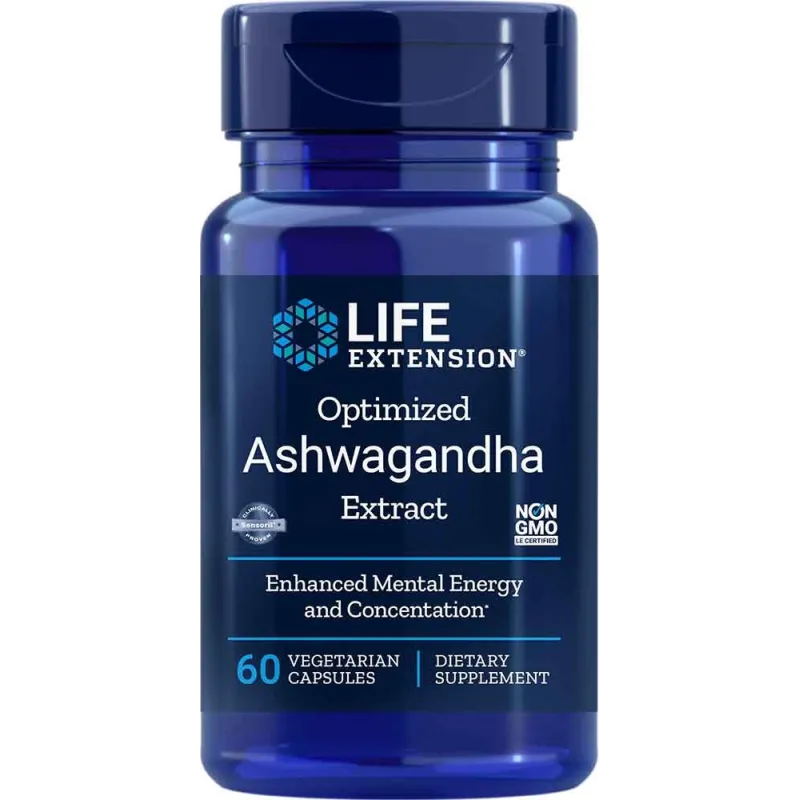
Optimized Ashwagandha Extract
60 vegetarian capsules
Item Catalog Number: 00888
 Scientists have discovered that the Indian herb ashwagandha (Withania somnifera) counters some of the oxidative damage generated by nervous tension.1 Ashwagandha has been the subject of animal studies and is believed to confer improvements in well-being and a healthy outlook in humans.2,3
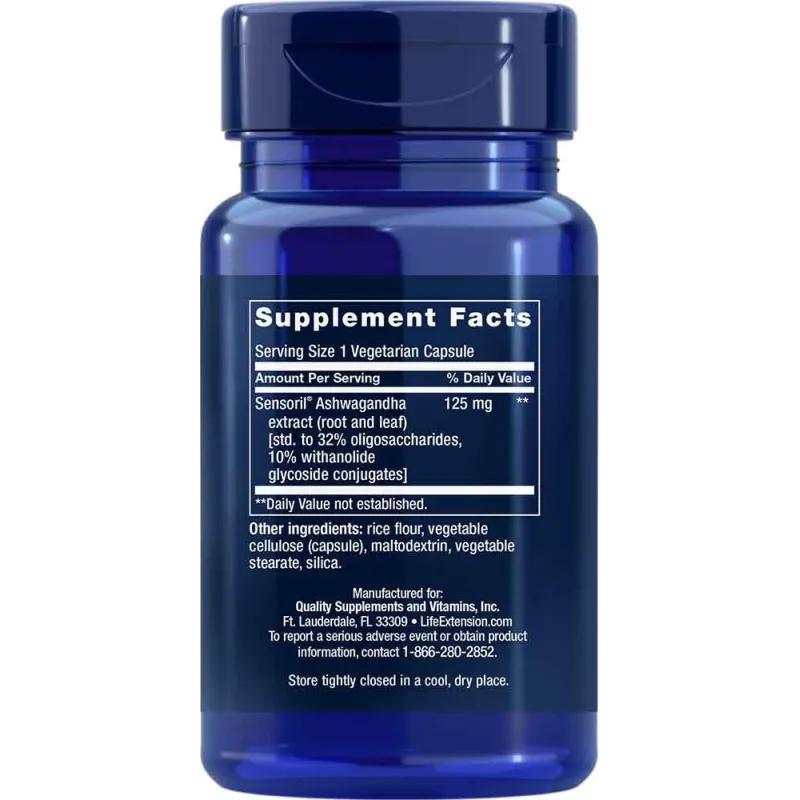
Serving Size 1 vegetarian capsule
| Amount Per Serving | |
|---|---|
| Sensoril® Ashwagandha extract (root and leaf) [std. to 32% oligosaccharides, 10% withanolide glycoside conjugates] | 125 mg |
| Other ingredients: microcrystalline cellulose, vegetable cellulose (capsule), rice fiber, maltodextrin, silica, vegetable stearate. | |
Non-GMO
Sensoril® is a trademark of a Kerry Company.
Dosage and Use
Take one (1) capsule twice daily on an empty stomach, or as recommended by a healthcare practitioner.
Warnings
KEEP OUT OF REACH OF CHILDREN
DO NOT EXCEED RECOMMENDED DOSE
Do not purchase if outer seal is broken or damaged.
When using nutritional supplements, please consult with your physician if you are undergoing treatment for a medical condition or if you are pregnant or lactating.
38,89 €

56,47 €

13,63 €

11,98 €








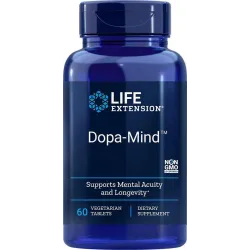

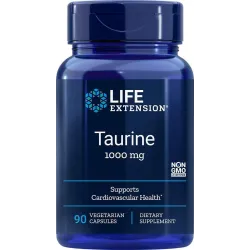
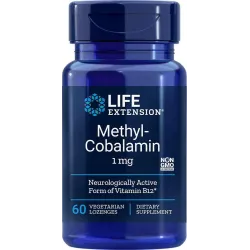



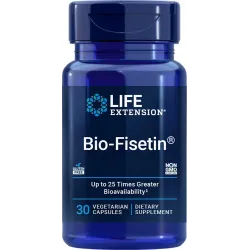




Ashwagandha (Withania somnifera) represents one of the most researched adaptogenic herbs in Ayurvedic medicine, with over 3000 years traditional use for stress resilience, vitality, and longevity. Adaptogens help organisms adapt to stress through multiple mechanisms normalizing physiological function regardless of stressor direction. Ashwagandha's active compounds—withanolides particularly withaferin A and withanolide A—modulate hypothalamic-pituitary-adrenal (HPA) axis regulating stress response, reduce cortisol levels by 15-30%, enhance GABA signaling promoting relaxation, and support mitochondrial function under stress. The herb demonstrates neuroprotective, anti-inflammatory, antioxidant, and immunomodulatory properties addressing stress impacts systemically. Research shows ashwagandha reduces perceived stress scores by 40-60%, anxiety by 35-50%, and improves stress-related parameters including cortisol, sleep quality, and mental clarity. Unlike pharmaceutical anxiolytics causing sedation, ashwagandha promotes calm alertness supporting daytime function while improving sleep quality.
Ashwagandha demonstrates remarkable effects on physical performance, muscle strength, and body composition validated through controlled trials. For muscle strength, supplementation at 300-600 mg daily combined with resistance training increases muscle mass by 30-50% more than training alone, enhances strength gains by 20-40%, and reduces exercise-induced muscle damage by 25-35%. The mechanisms involve increased testosterone levels by 10-20% in men, reduced cortisol blunting catabolic effects, improved muscle protein synthesis, and enhanced recovery between sessions. Endurance performance improves with studies showing 15-25% increases in VO2 max and time to exhaustion. Body composition benefits include 3-5% body fat reductions and preferential fat loss from abdominal region through metabolic optimization. Ashwagandha also reduces exercise-induced stress and inflammation markers by 30-40% supporting recovery and adaptation. For athletes and active individuals, the combination of stress reduction, performance enhancement, and recovery support makes ashwagandha valuable ergogenic aid without banned substance concerns.
Ashwagandha demonstrates thyroid-supportive properties particularly for subclinical hypothyroidism and Hashimoto's thyroiditis. Studies show ashwagandha supplementation at 600 mg daily increases T3 and T4 thyroid hormone levels by 20-40% in individuals with subclinical hypothyroidism, normalizing thyroid function without causing hyperthyroidism in those with normal baseline levels. The mechanism involves ashwagandha's adaptogenic support of hypothalamic-pituitary-thyroid axis, antioxidant protection of thyroid tissue, and potential direct thyroid gland stimulation. For Hashimoto's patients, ashwagandha reduces thyroid antibodies by 30-50% suggesting immune-modulating benefits addressing autoimmune thyroid dysfunction. The herb also supports broader hormonal balance—testosterone increases by 10-20% in men, DHEA levels rise, and cortisol normalization improves overall endocrine function. For women, ashwagandha may improve fertility through stress reduction and hormonal optimization. However, individuals with hyperthyroidism should use cautiously as ashwagandha may exacerbate overactive thyroid. Thyroid medication users require monitoring as ashwagandha may enhance medication effects necessitating dose adjustments.
Ashwagandha supports brain health and cognitive function through multiple neuroprotective mechanisms. For memory and cognition, supplementation improves immediate and general memory by 20-30%, attention and information processing speed by 15-25%, and executive function. The herb enhances acetylcholine signaling—the neurotransmitter critical for memory—through cholinesterase inhibition. Neuroprotection occurs through antioxidant activity reducing neuronal oxidative damage, anti-inflammatory effects decreasing neuroinflammation, and mitochondrial support maintaining neuronal energy metabolism. For anxiety and depression, ashwagandha demonstrates effectiveness rivaling pharmaceutical interventions with 35-50% symptom reductions through multiple pathways including GABA enhancement, serotonin modulation, and HPA axis regulation. Sleep quality improves significantly with studies showing 30-45% better sleep scores, reduced sleep latency by 20-35%, and increased sleep duration. For neurodegenerative conditions, preliminary research suggests ashwagandha may slow progression of Alzheimer's and Parkinson's through neuroprotective effects and promotion of neuronal regeneration, though human trials remain limited.
Ashwagandha dosing requires attention to extract standardization, timing, and duration. Use root extract standardized to 5% withanolides or higher ensuring consistent active compound content. Typical effective doses range from 300-600 mg daily of standardized extract, equivalent to 3000-6000 mg whole root. For stress and anxiety, 300-600 mg daily divided into 2 doses (morning and evening) provides consistent support. Athletic performance and muscle building applications use 600 mg daily, often taken post-workout. For sleep support, taking full dose 1-2 hours before bedtime optimizes sleep-promoting effects. Taking with food, particularly fat-containing meals, enhances absorption of lipophilic withanolides. Effects develop progressively—some individuals notice stress reduction within days, while full adaptogenic benefits emerge over 4-8 weeks of consistent use. Cycle ashwagandha with 2-3 months on followed by 2-4 weeks off, or use continuously for up to 6 months before break. The excellent safety profile supports extended use though cycling may prevent tolerance development. Combining with other adaptogens (rhodiola, cordyceps) provides synergistic stress support. Individuals on thyroid medications, immunosuppressants, or sedatives should consult physicians before use as ashwagandha may interact.
Results: Clinical trials demonstrate ashwagandha at 300-600 mg daily reduces stress scores by 40-60%, anxiety by 35-50%, and lowers cortisol by 15-30% through HPA axis modulation and GABA enhancement.
Citation: Chandrasekhar K, et al. Indian J Psychol Med. 2012 Jul;34(3):255-62.
Results: Research shows ashwagandha supplementation combined with resistance training increases muscle mass by 30-50% more than training alone, enhances strength by 20-40%, and reduces exercise-induced damage by 25-35%.
Citation: Wankhede S, et al. J Int Soc Sports Nutr. 2015 Nov;12:43.
Results: Studies reveal ashwagandha increases thyroid hormones T3 and T4 by 20-40% in subclinical hypothyroidism, reduces thyroid antibodies by 30-50% in Hashimoto patients, and raises testosterone by 10-20% in men.
Citation: Sharma AK, et al. J Altern Complement Med. 2018 Mar;24(3):243-8.
Results: Cognitive trials show ashwagandha improves memory by 20-30%, attention by 15-25%, and sleep quality scores by 30-45% through neuroprotective and neurotransmitter-modulating mechanisms.
Citation: Choudhary D, et al. J Ethnopharmacol. 2017 Jan;197:5-14.