 English
 Polski
 Deutsch
 Français
 ελληνικά
 Español
 Italiano
24,96 €

Quantity:
Total:
Total products:
Total shipping: To be determined
Total:
Science-based food supplements

Manufacturer: Life Enhancement
Iodine is an essential micronutrient for normal reproduction
In stock
| Quantity | Price | You Save |
|---|---|---|
| 2 | 25,96 € | Up to 2,16 € |
| 4 | 25,42 € | Up to 6,49 € |
By buying this product you can collect up to 27 loyalty points. Your cart will total 27 points that can be converted during next order into a voucher of 1,35 €.

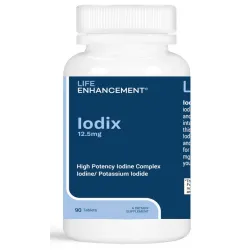
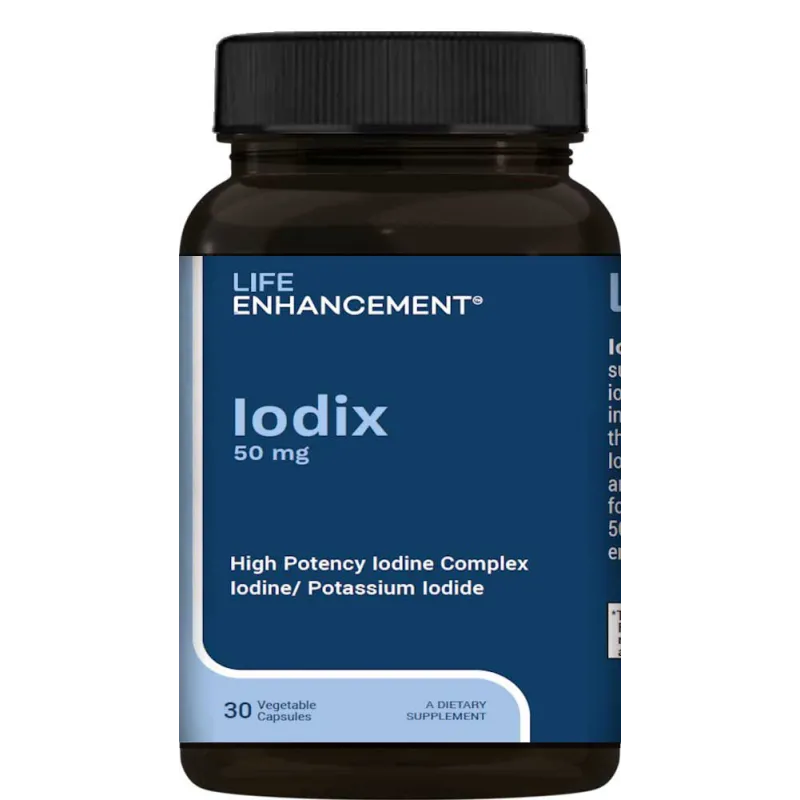
Iodix 50 mg (Iodoral formula)
Item Catalog Number: 09003
30 capsules
Iodine is a trace element essential for life. Its primary biological role is supporting production the thyroid hormones triiodothyronine (T3) and thyroxine (T4).
The thyroid gland, breast tissue, and gastrointestinal tracts share some similarities, all of which contain a high concentration of iodine. The cells that line the stomach in particular concentrate iodine, taking advantage of its antioxidant effects.
Iodine-rich foods have long been recognized as natural therapies for high blood pressure and cardiovascular disease. Even when there are no obvious symptoms, hypothyroidism - iodine deficiency can contribute to the onset of heart disease and stroke, and increase the risk of dying from these diseases.
Benefits at a Glance:
People who may be at risk of not getting enough iodine include: residents of developing countries ,vegetarians and vegans, pregnant and breastfeeding women.
Those who are deficient, at risk of deficiency, or whose diet may be lacking should focus on including more whole food sources of iodine and consider supplementing to ensure adequate intake.
Iodine deficiency may lead to obesity, cognitive impairment, heart disease, psychiatric disorders, and various forms of cancer.
For optimal thyroid iodine metabolism, it is recommended to take it together with key cofactors: selenium, magnesium, zinc, vitamins B2 and B3, vitamin A, vitamin C, and an adequate amount of salt (chloride) to support iodine transport.
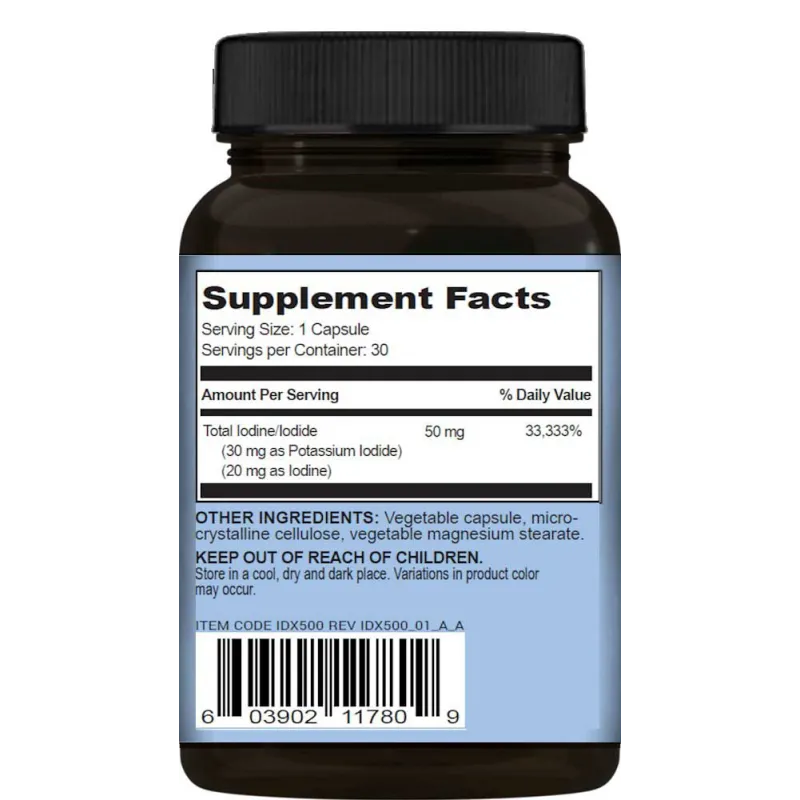
Serving Size 1 capsule
| Amount per serving: | |
|---|---|
| Total Iodine/Iodide | 50 mg |
| (as potassium Iodide) | 30 mg |
| (as Iodine) | 20 mg |
| Other ingredients: vegetable capsule, microcrystalline cellulose, vegetable magnesium stearate | |
Dosage and Use
Take 1 capsule daily with or without food, or as recommended by a healthcare practitioner.
Cautions: Pregnant or breastfeeding women must consult their healthcare professional before use.
If you experience any of the following, stop ingesting this supplement and contact your physician: acne-like skin lesions in certain areas of your body, headache in the frontal sinus, unpleasant brassy taste, increased salivation, and sneezing.
If you have a thyroid or other medical condition or are taking prescription medications, consult your doctor before using this product.
Warnings
Store in a coll, dry and dark place. Variations in product color may occur.
KEEP OUT OF REACH OF CHILDREN
DO NOT EXCEED RECOMMENDED DOSE
Do not purchase if outer seal is broken or damaged.
When using nutritional supplements, please consult with your physician if you are undergoing treatment for a medical condition or if you are pregnant or lactating.
24,96 €
12,83 €
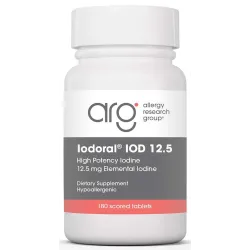
64,59 €
14,45 €
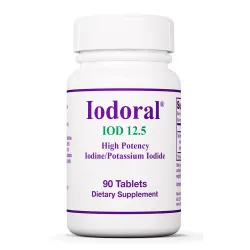
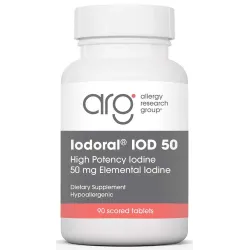
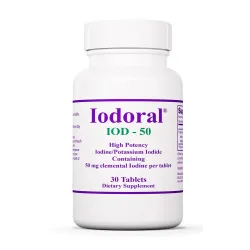






Iodix provides 50 mg of high-potency molecular iodine, an essential mineral critical for thyroid function, cellular health, and immune support. Iodine is required for production of thyroid hormones that regulate metabolism, energy, and body temperature. Beyond thyroid support, iodine concentrates in breast, prostate, and other glandular tissues where it supports healthy cell growth and function. The molecular iodine form (I2) in Iodix is the natural form found in seaweed and is well-absorbed. This high dose supports optimal iodine levels for those with increased needs or deficiency concerns.
Iodine is the essential building block of thyroid hormones T3 and T4, which regulate metabolic rate throughout the body. Without adequate iodine, the thyroid cannot produce sufficient hormones, potentially leading to sluggish metabolism, fatigue, and weight concerns. Iodine supports healthy thyroid hormone synthesis and secretion. It helps maintain optimal thyroid gland function and may support healthy thyroid size. For individuals with borderline low thyroid function or living in iodine-deficient regions, supplementation can help optimize thyroid hormone levels naturally, supporting energy, metabolism, and overall hormonal balance.
Several factors increase iodine needs beyond standard RDA levels. People following plant-based diets without sea vegetables often have inadequate iodine intake. Those exposed to bromide, fluoride, or chlorine (halides that compete with iodine) may need higher doses. Women with fibrocystic breast conditions may benefit from iodine's tissue-supportive properties. Individuals in regions with iodine-depleted soil or those avoiding iodized salt may be deficient. Some healthcare practitioners recommend higher doses for supporting optimal function of iodine-dependent tissues beyond just the thyroid, including breast, prostate, and immune tissues.
Molecular iodine (I2) and potassium iodide (KI) are different forms with distinct properties. Molecular iodine is the natural form found in seaweed and is the form preferentially absorbed by breast and other glandular tissues. It has antioxidant properties and supports cellular health beyond thyroid function. Potassium iodide is primarily used by the thyroid gland and is the form added to iodized salt. Iodix provides molecular iodine, making it particularly beneficial for supporting extra-thyroidal tissues. Some practitioners recommend combining both forms for comprehensive iodine support, though molecular iodine alone provides broad-spectrum benefits.
Yes, several precautions apply to high-dose iodine supplementation. People with pre-existing thyroid conditions, particularly hyperthyroidism or Hashimoto's thyroiditis, should consult their healthcare provider before using high-dose iodine as it can affect thyroid function unpredictably. Start with lower doses and gradually increase to allow the body to adapt. Some individuals experience detox symptoms initially as iodine displaces competing halides. Take iodine supplements with meals to minimize stomach upset. If you're on thyroid medication, work with your doctor to monitor thyroid function and adjust medication as needed. Adequate selenium intake supports iodine metabolism and should be maintained during supplementation.
Results: Clinical studies demonstrate iodine is essential for thyroid hormone synthesis, with deficiency leading to reduced T3 and T4 production, sluggish metabolism, and potential thyroid enlargement, while adequate supplementation supports optimal thyroid function and metabolic health.
Citation: Zimmermann MB, Boelaert K. Lancet Diabetes Endocrinol. 2015 Apr;3(4):286-95.
Results: Research shows molecular iodine accumulates preferentially in breast tissue and supports healthy breast cell function, with studies indicating beneficial effects on fibrocystic breast conditions and cellular health independent of thyroid effects.
Citation: Aceves C, et al. Endocr Relat Cancer. 2005 Dec;12(4):1011-22.
Results: Studies indicate adequate iodine intake is crucial for cognitive development and function, with iodine deficiency associated with reduced IQ and cognitive impairment, while optimal iodine status supports healthy brain function throughout life.
Citation: Qian M, et al. Lancet. 2005 Jun;365(9475):2088-91.
Results: Clinical trials demonstrate iodine supplementation can displace bromide and other competing halides from tissues, potentially reducing toxic halide burden and supporting healthier iodine receptor function throughout the body.
Citation: Abraham GE, et al. Orig Internist. 2002;9:30-41.