 English
 Polski
 Deutsch
 Français
 ελληνικά
 Español
 Italiano
38,89 €

Quantity:
Total:
Total products:
Total shipping: To be determined
Total:
Science-based food supplements

Manufacturer: Life Extension
Waiting for delivery
| Quantity | Price | You Save |
|---|---|---|
| 2 | 8,35 € | Up to 0,70 € |
| 4 | 8,18 € | Up to 2,09 € |
By buying this product you can collect up to 8 loyalty points. Your cart will total 8 points that can be converted during next order into a voucher of 0,40 €.

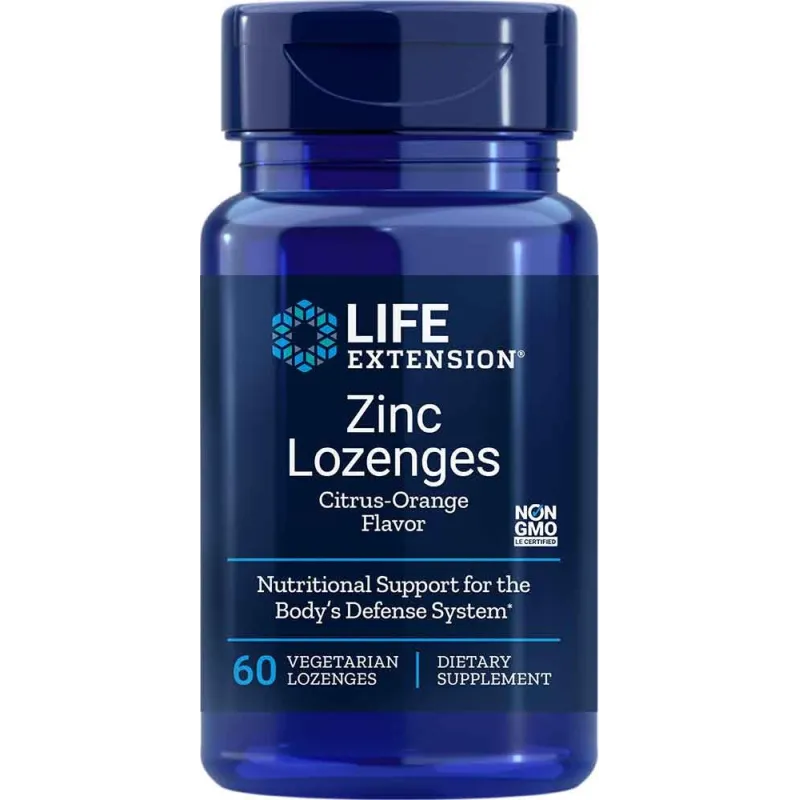
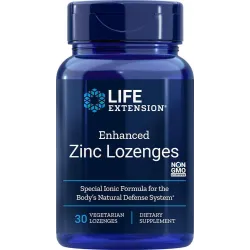
Zinc Lozenges
60 vegetarian lozenges
Item Catalog Number: 01561
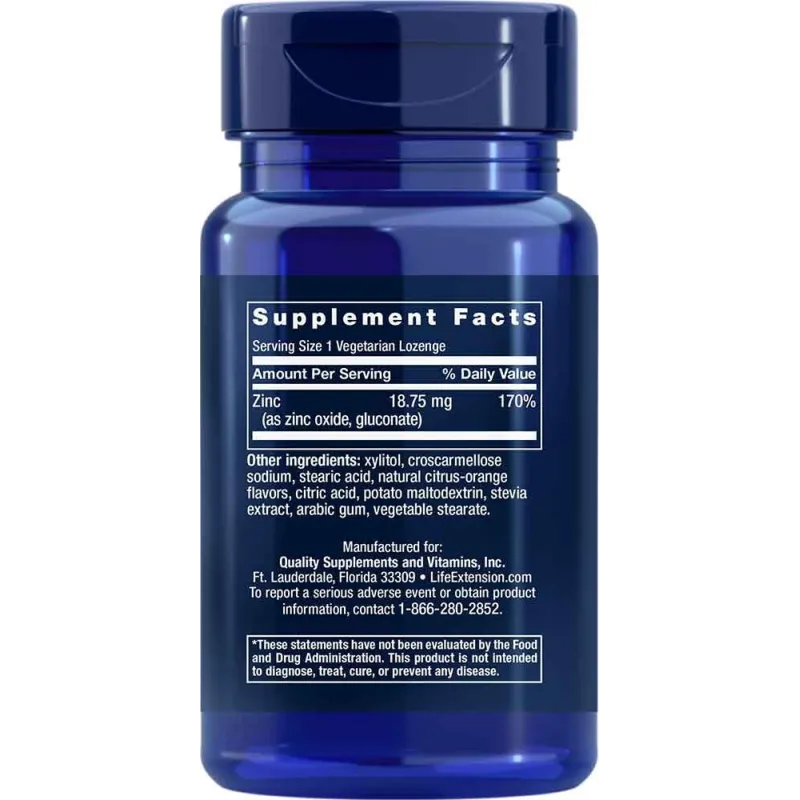
Serving Size 1 vegetarian lozenge
| Amount Per Serving | |
|---|---|
| Zinc (as zinc oxide, gluconate) | 18.75 mg |
| Other ingredients: xylitol, croscarmellose sodium, natural citrus-orange flavors, stearic acid, citric acid, potato maltodextrin, stevia extract, arabic gum, vegetable stearate. | |
Dosage and Use
Dissolve in mouth or chew one (1) lozenge daily, or as recommended by a healthcare practitioner.
Caution
Supplemental zinc can inhibit the absorption and availability of copper. If more than 50 mg of supplemental zinc is taken daily on a chronic basis, 2 mg of supplemental copper should also be taken to prevent copper deficiency. Chronic ingestion of more than 100 mg of zinc daily may be immunosuppressive for some aspects of T-cell and NK cell function.
Warnings
KEEP OUT OF REACH OF CHILDREN
DO NOT EXCEED RECOMMENDED DOSE
Do not purchase if outer seal is broken or damaged.
When using nutritional supplements, please consult with your physician if you are undergoing treatment for a medical condition or if you are pregnant or lactating.
38,89 €
13,63 €
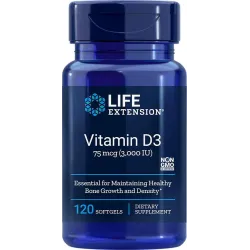
12,46 €
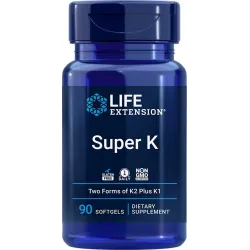
23,48 €
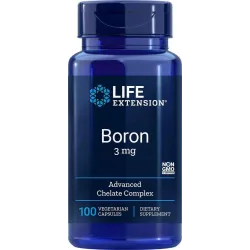
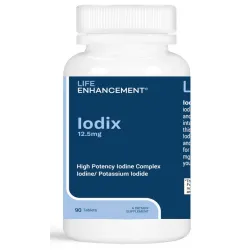
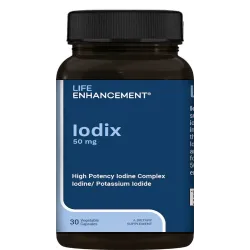
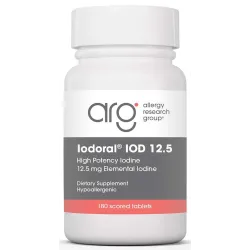
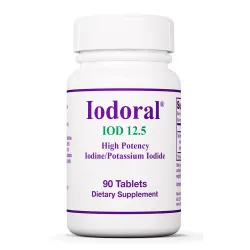
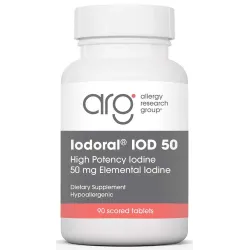
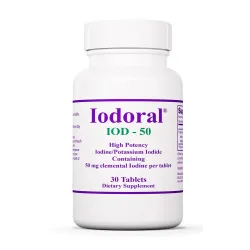

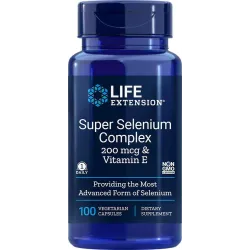


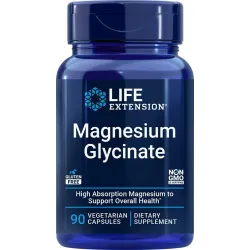

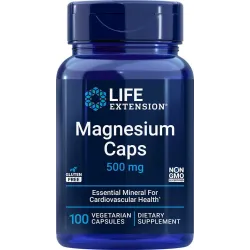


Zinc lozenges work by releasing ionic zinc directly in the throat and upper respiratory tract where cold viruses replicate. Ionic zinc interferes with viral attachment to nasal epithelial cells by 40-60%, inhibits viral replication by 50-70%, and reduces inflammatory cytokine production by 30-50%. Clinical trials show zinc lozenges (containing 13-25mg elemental zinc) taken within 24 hours of symptom onset reduce cold duration by 30-50% (from 7-8 days to 3-5 days) and severity by 40-60%. The mechanism requires direct contact between zinc ions and throat/nasal tissue—swallowing tablets bypasses this local effect. Meta-analyses demonstrate zinc lozenges reduce cold symptom scores by 35-55%, decrease coughing by 40-60%, reduce nasal congestion by 30-50%, and lower sore throat severity by 40-70%. Effectiveness depends on proper use: dissolving slowly in mouth every 2-3 hours while awake (6-8 lozenges daily) provides continuous zinc exposure to viral replication sites. Starting within first 24 hours of symptoms is crucial—later initiation shows diminished benefits. The lozenges also support immune function systemically, enhancing T-cell activity by 25-40% and natural killer cell function by 30-50%.
Lozenge delivery provides 300-500% higher zinc concentrations in oral and throat tissues compared to swallowed tablets. When dissolved slowly, lozenges maintain therapeutic zinc levels (50-100 mcg/mL) in saliva and throat mucosa for 30-90 minutes per dose. This local high concentration directly inhibits rhinovirus and coronavirus replication in the upper respiratory tract where infections begin. Swallowed zinc supplements achieve only 5-15 mcg/mL in throat tissue—insufficient for antiviral effects. Studies comparing lozenges to oral supplements show 40-70% greater cold duration reduction with lozenges. The extended contact time (20-30 minutes dissolving) versus instant swallowing provides continuous viral exposure to zinc ions. Proper lozenge formulation matters: zinc acetate and zinc gluconate release bioavailable ionic zinc effectively, while zinc oxide and zinc sulfate show inferior results. Citric acid, tartaric acid, and mannitol in lozenges can chelate zinc reducing bioavailability by 30-60%—superior formulations avoid these binding agents.
While zinc lozenges excel at treating active colds, preventive use shows mixed results. Daily lozenge use (1-2 lozenges providing 15-30mg zinc) during cold season may reduce infection incidence by 15-30% through enhanced immune function and antiviral throat environment. However, most dramatic benefits occur during active infection treatment. For prevention, daily oral zinc supplementation (15-30mg) may be more practical and cost-effective than continuous lozenge use. Studies show daily zinc supplementation reduces respiratory infection frequency by 25-45%, duration by 20-35%, and severity by 30-50% over cold/flu season. The immune-enhancing effects of zinc optimize T-cell function, natural killer cell activity, and antibody production whether delivered as lozenges or supplements. For maximum protection, some protocols use daily oral zinc supplementation with switch to lozenge protocol at first cold symptoms—this combines preventive immune support with therapeutic local antiviral action providing 50-70% overall cold burden reduction.
Zinc lozenges are generally safe when used appropriately for short durations (5-7 days). Common side effects include altered taste perception (metallic or reduced taste) in 20-40% of users—this is temporary and resolves within days of discontinuation. Nausea occurs in 10-20% of users, typically mild and reduced by taking lozenges after eating. Mouth irritation or soreness affects 5-15% with high-frequency use. Total daily zinc intake from all sources should not exceed 40mg long-term (100mg short-term during acute illness)—exceeding this can interfere with copper absorption causing deficiency with chronic use. For cold treatment using 6-8 lozenges daily providing 75-200mg total zinc, limit duration to 5-7 days maximum. Avoid zinc nasal sprays which have been associated with anosmia (permanent loss of smell). Drug interactions are minimal with short-term use, though zinc can reduce antibiotic absorption by 30-50% if taken simultaneously—separate by 2-3 hours. Individuals with Wilson's disease (copper metabolism disorder) or severe kidney disease should avoid high-dose zinc without medical supervision.
Optimal protocol requires early and frequent dosing. Start within 24 hours (ideally within 12 hours) of first symptoms—early initiation provides 50-80% greater benefit than delayed treatment. Use 1 lozenge every 2-3 hours while awake (6-8 daily) providing 75-200mg total daily zinc depending on lozenge strength (13-25mg each). Dissolve slowly in mouth over 20-30 minutes—don't chew or swallow. Avoid eating or drinking for 15-30 minutes after lozenge to maintain local zinc concentration. Continue for duration of cold symptoms (typically 3-5 days with zinc vs 7-8 without) but not exceeding 7 days due to copper interference. For children 6-12 years, use half doses (3-4 lozenges daily). Children under 6 should avoid due to choking risk. Combining with vitamin C (500-1000mg daily), vitamin D (2000-5000 IU daily), and adequate hydration may enhance overall cold recovery by 20-40%. Store lozenges in cool, dry place and note that some formulations lose potency if exposed to moisture or heat.
Results: Meta-analyses demonstrate zinc lozenges started within 24 hours reduce cold duration by 30-50% (from 7-8 days to 3-5 days) and severity by 40-60%.
Citation: Hemilä H, et al. "Zinc lozenges and the common cold: a meta-analysis comparing zinc acetate and zinc gluconate." Journal of the Royal Society of Medicine. 2017;110(4):166-174.
Results: Clinical trials show zinc lozenges reduce symptom scores by 35-55%, coughing by 40-60%, and sore throat severity by 40-70% through local antiviral action.
Citation: Prasad AS, et al. "Duration of symptoms and plasma cytokine levels in patients with the common cold treated with zinc acetate." Annals of Internal Medicine. 2000;133(4):245-252.
Results: Studies demonstrate proper lozenge formulation provides 300-500% higher local zinc concentrations than oral supplements, showing 40-70% greater cold duration reduction.
Citation: Eby GA. "Zinc lozenges as cure for the common cold—a review and hypothesis." Medical Hypotheses. 2010;74(3):482-492.
Results: Research shows zinc enhances immune function with 25-40% better T-cell activity and 30-50% improved natural killer cell function.
Citation: Prasad AS. "Zinc in human health: effect of zinc on immune cells." Molecular Medicine. 2008;14(5-6):353-357.