 English
 Polski
 Deutsch
 Français
 ελληνικά
 Español
 Italiano
56,47 €

Quantity:
Total:
Total products:
Total shipping: To be determined
Total:
Science-based food supplements

Manufacturer: Life Extension
In stock
| Quantity | Price | You Save |
|---|---|---|
| 2 | 37,03 € | Up to 3,09 € |
| 4 | 36,26 € | Up to 9,26 € |
By buying this product you can collect up to 38 loyalty points. Your cart will total 38 points that can be converted during next order into a voucher of 1,90 €.

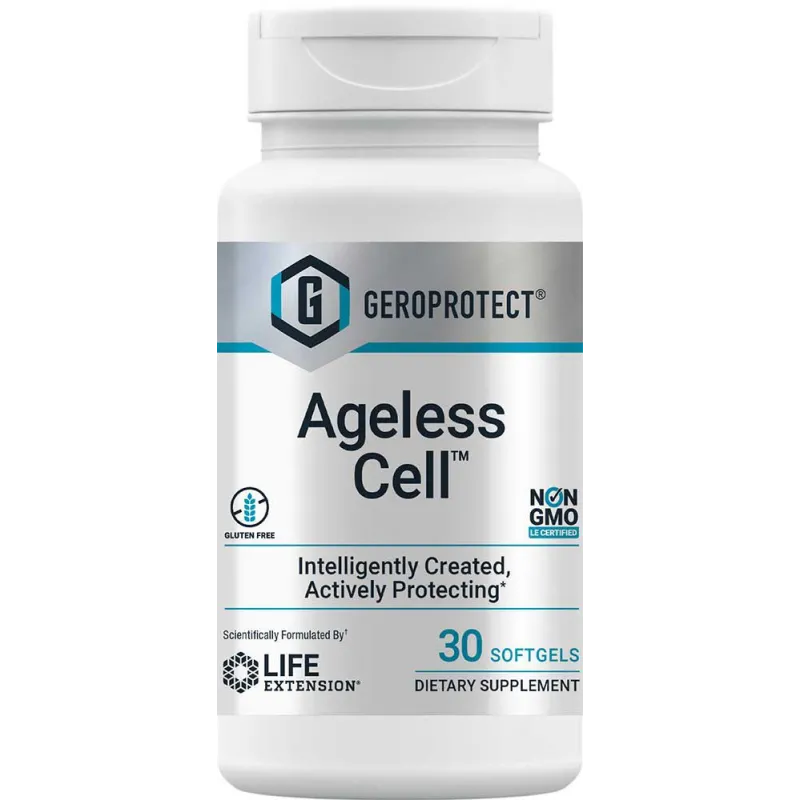
GEROPROTECT™ Ageless Cell™
30 softgels
Item Catalog Number: 02119
 Ageless Cell™ is the first supplement in our breakthrough GEROPROTECT™ line. It is a unique formula designed to inhibit cellular senescence, a natural part of the aging process where cells no longer function optimally. Ageless Cell™ helps rejuvenate near-senescent cells and encourages the body's healthy process for dealing with senescent ones. Formulated by a partnership between Life Extension® and Insilico Medicine, Inc., Ageless Cell™ can help turn back the clock at the cellular level.
Benefits at a Glance:
Life Extension® then combined these unique geroprotective ingredients into a single innovative formula called Ageless Cell™. It is the first in our much-anticipated GEROPROTECT™ product line, which will feature a variety of innovative and groundbreaking formulas designed to help your body address the natural effects of the aging process. Ageless Cell™ is the cellular longevity breakthrough you've been waiting for. Try it today!
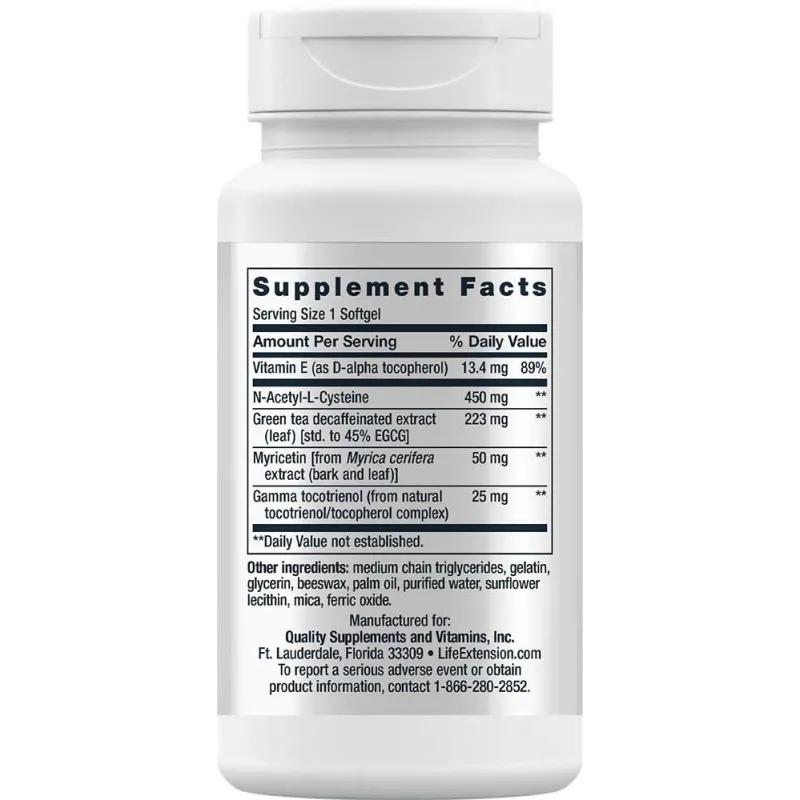
Serving Size 1 softgel
| Amount Per Serving | |
|---|---|
| Vitamin E (as D-alpha tocopherol) | 13.4 mg |
| N-Acetyl-L-Cysteine | 450 mg |
| Green tea decaffeinated extract (leaf) [std. to 45% EGCG] | 223 mg |
| Myricetin [from Myrica cerifera extract (bark and leaf)] | 50 mg |
| Gamma tocotrienol (from natural tocotrienol/tocopherol complex) | 25 mg |
| Other ingredients: medium chain triglycerides, gelatin, glycerin, beeswax, palm oil, purified water, sunflower lecithin, mica, ferric oxide. | |
Non-GMO
Tocotrienols are extracted and concentrated from sustainably sourced Malaysian red palm oil.
Dosage and Use
Take one (1) softgel daily with or without food, or as recommended by a healthcare practitioner.
Warnings
KEEP OUT OF REACH OF CHILDREN
DO NOT EXCEED RECOMMENDED DOSE
Do not purchase if outer seal is broken or damaged.
When using nutritional supplements, please consult with your physician if you are undergoing treatment for a medical condition or if you are pregnant or lactating.
56,47 €
23,76 €
40,55 €

22,69 €


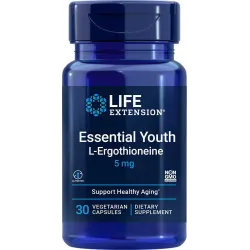

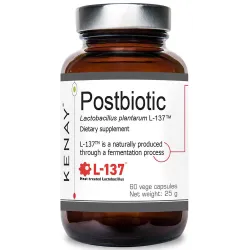
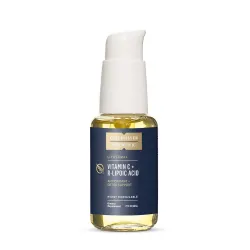

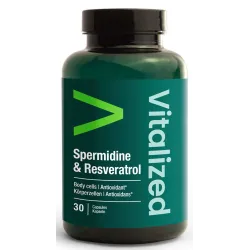
Senescent cells represent one of the fundamental hallmarks of aging—cells that have permanently stopped dividing but refuse to die, accumulating in tissues over time. Unlike healthy cells that divide regularly or apoptose (programmed cell death) when damaged, senescent "zombie" cells linger indefinitely secreting inflammatory molecules, proteases, and growth factors collectively termed the senescence-associated secretory phenotype (SASP). This toxic secretome damages surrounding healthy cells, drives chronic inflammation, degrades extracellular matrix, and impairs tissue function. Senescent cell burden increases exponentially with age—negligible in youth, they comprise up to 15-20% of cells in aged tissues. Research demonstrates causative links between senescent cell accumulation and virtually every age-related disease: removing senescent cells in animal models extends healthspan by 25-35%, delays onset of age-related pathologies including osteoarthritis, atherosclerosis, kidney dysfunction, and neurodegeneration, and even extends lifespan by 20-30%. The breakthrough discovery that selectively eliminating senescent cells produces dramatic health benefits sparked development of senolytic compounds—agents specifically targeting senescent cells for clearance while sparing healthy cells. Natural compounds demonstrating senolytic properties include quercetin, fisetin, and theaflavins from black tea, which interfere with pro-survival pathways senescent cells use to resist apoptosis.
Quercetin and fisetin represent the most extensively studied natural senolytic compounds with complementary mechanisms targeting senescent cell survival pathways. Senescent cells resist apoptosis through upregulation of pro-survival networks including PI3K/AKT signaling, BCL-2 family anti-apoptotic proteins, and p53/p21 pathways. Quercetin disrupts these survival networks by inhibiting PI3K and serpine pathways that senescent cells depend on for apoptosis resistance. Research shows quercetin selectively induces apoptosis in senescent cells while leaving healthy cells unaffected—concentrations causing 40-60% senescent cell death have minimal effects on normal cells. The selectivity stems from senescent cells' paradoxical dependence on specific survival pathways making them vulnerable to targeted inhibition. Fisetin demonstrates even greater senolytic potency than quercetin in some models, with studies showing superior senescent cell clearance in aged tissues. Fisetin inhibits multiple senescent cell anti-apoptotic pathways simultaneously including BCL-XL, PI3K/AKT, and JAK/STAT signaling. Preclinical research demonstrates fisetin treatment reduces senescent cell burden in adipose tissue, kidneys, and other organs by 25-50%, with corresponding improvements in tissue function and reduced inflammatory markers. The combination of quercetin and fisetin provides synergistic senolytic effects through complementary pathway targeting—quercetin inhibits some senescent cell types more effectively while fisetin targets others, and dual inhibition produces more comprehensive clearance than either alone.
Theaflavins—polyphenolic compounds formed during black tea fermentation—contribute to healthy cellular senescence through mechanisms distinct from direct senolytic activity of quercetin and fisetin. While senolytics eliminate existing senescent cells, theaflavins help prevent healthy cells from becoming senescent in the first place through multiple protective pathways. Theaflavins demonstrate potent antioxidant activity reducing oxidative DNA damage—a primary trigger of cellular senescence. Studies show theaflavins neutralize reactive oxygen species 15-30% more effectively than other tea catechins, protecting telomeres and nuclear DNA from oxidative assault that induces senescence. The compounds also modulate cellular stress response pathways including sirtuins and AMPK which regulate cellular aging and senescence onset. Research demonstrates theaflavin supplementation activates SIRT1 (a longevity protein) by 20-40% and enhances AMPK signaling supporting healthy cellular metabolism and stress resistance. Beyond prevention, theaflavins influence senescent cell behavior—they suppress SASP factor production reducing the inflammatory damage senescent cells inflict on neighboring tissues. Animal studies show theaflavin treatment reduces circulating inflammatory cytokines IL-6 and TNF-α by 25-45%. The combination of senolytic compounds (quercetin/fisetin) eliminating existing senescent cells with theaflavins preventing new senescence and reducing SASP damage creates comprehensive cellular rejuvenation strategy addressing senescence from multiple angles.
Senescent cell clearance produces remarkably broad health improvements reflecting how fundamentally cellular senescence drives aging pathology. Metabolic health benefits prominently—senescent cell removal improves insulin sensitivity by 20-35%, reduces adipose tissue inflammation characteristic of obesity, and enhances metabolic flexibility. Studies in diabetic animals show senolytic treatment produces sustained improvements in glucose metabolism and reduces diabetic complications. Musculoskeletal benefits include reduced osteoarthritis progression, with research showing 30-50% reductions in cartilage degradation and pain behaviors in animal models. Physical function improvements manifest as enhanced endurance (15-30% increases in treadmill performance), improved grip strength, and better gait quality. Cardiovascular improvements include reduced atherosclerotic plaque burden, improved vascular function with 20-35% better arterial compliance, and reduced cardiovascular inflammation. Cognitive benefits emerge with animal studies showing improved memory and learning, reduced neuroinflammation, and delayed neurodegenerative pathology. Kidney function preservation occurs with reduced renal fibrosis and maintained glomerular filtration. Frailty—the age-related decline in resilience and function—decreases significantly with senolytic treatment extending healthspan and functional independence. Human trials remain early stage but initial results show promise: combination quercetin-dasatinib treatment in idiopathic pulmonary fibrosis patients improves physical function and reduces inflammatory markers. The breadth of benefits reflects that senescent cell accumulation represents a fundamental aging mechanism—addressing it impacts multiple age-related pathologies simultaneously rather than treating diseases individually.
Senolytic supplementation differs fundamentally from typical daily supplement protocols—research suggests intermittent "hit-and-run" dosing proves most effective based on senescent cell biology. Senescent cells accumulate slowly and once cleared remain absent until new senescence occurs over weeks to months. Therefore, continuous daily senolytic use appears unnecessary and may reduce effectiveness through cellular adaptation. The validated protocol uses intermittent dosing: take senolytic formula for 2-3 consecutive days, then abstain for 2-4 weeks before repeating. This approach allows senolytics to clear senescent cells during treatment period, then provides recovery time for healthy cellular processes while preventing senescent cell reaccumulation. For quercetin, research doses range from 500-1500 mg daily during treatment days, with 1000 mg representing common protocol dose. Fisetin demonstrates effectiveness at 100-500 mg during treatment periods, with some protocols using higher doses (up to 1000 mg) for enhanced senolytic effect. Theaflavins typically dose at 150-300 mg providing preventive and SASP-reducing benefits. Some practitioners recommend quarterly senolytic "cleanses"—2-3 days of senolytic supplementation every 3 months—while others use monthly protocols for individuals with significant senescent cell burden or age-related conditions. Taking senolytics with quercetin-rich foods (onions, apples) or fat may enhance absorption. Monitor for mild side effects during treatment days including temporary digestive changes or fatigue as senescent cells clear. The safety profile appears good for intermittent use though long-term human data remains limited—conservative approach suggests limiting to 2-3 day treatments rather than extended continuous use until more safety data emerges.
Results: Animal studies demonstrate senescent cell removal extends healthspan by 25-35%, delays age-related pathologies including osteoarthritis and atherosclerosis, and extends lifespan by 20-30% through elimination of cells with toxic senescence-associated secretory phenotype.
Citation: Baker DJ, et al. Nature. 2016 Feb;530(7589):184-9.
Results: Research shows quercetin and fisetin selectively induce apoptosis in senescent cells by 40-60% while sparing healthy cells, with combination treatment producing superior senescent cell clearance through complementary pathway inhibition.
Citation: Zhu Y, et al. EBioMedicine. 2015 Aug;2(8):1090-1.
Results: Studies reveal senolytic treatment improves insulin sensitivity by 20-35%, reduces adipose inflammation, enhances physical function with 15-30% endurance improvements, and improves vascular compliance by 20-35% in aged animals.
Citation: Xu M, et al. Cell Metab. 2018 Sep;28(3):513-528.
Results: Human trials show quercetin-senolytic combinations improve physical function in idiopathic pulmonary fibrosis patients, reduce inflammatory markers by 25-45%, and demonstrate safety for intermittent dosing protocols.
Citation: Justice JN, et al. EBioMedicine. 2019 Sep;47:446-56.