 English
 Polski
 Deutsch
 Français
 ελληνικά
 Español
 Italiano
64,59 €

Quantity:
Total:
Total products:
Total shipping: To be determined
Total:
Science-based food supplements

Manufacturer: Life Extension
In stock
| Quantity | Price | You Save |
|---|---|---|
| 2 | 10,46 € | Up to 0,87 € |
| 4 | 10,25 € | Up to 2,62 € |
By buying this product you can collect up to 10 loyalty points. Your cart will total 10 points that can be converted during next order into a voucher of 0,50 €.

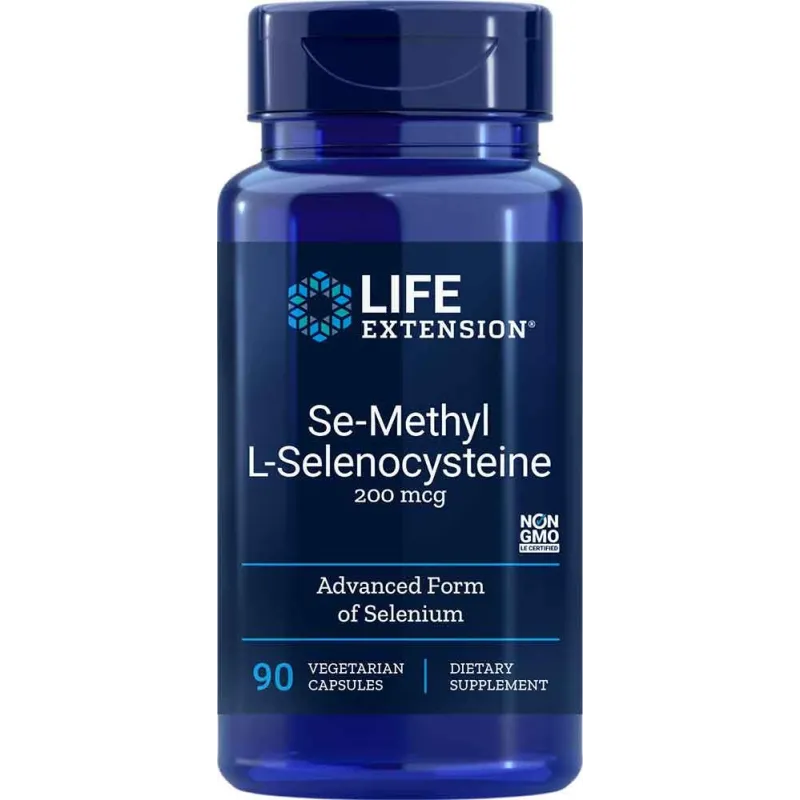
Se-Methyl L-Selenocysteine
200 mcg, 90 vegetarian capsules
Item Catalog Number: 01879
 As an essential cofactor of glutathione peroxidase,1,2 selenium is an important antioxidant.3,4 Selenium is incorporated into proteins to make selenoproteins, which are important antioxidant enzymes. The antioxidant properties of selenoproteins help block cellular damage from free radicals. High doses of vitamin C (over one gram) may enhance the absorption of selenium. This mineral is best taken in conjunction with antioxidant supplements, such as vitamins C or E.5-8
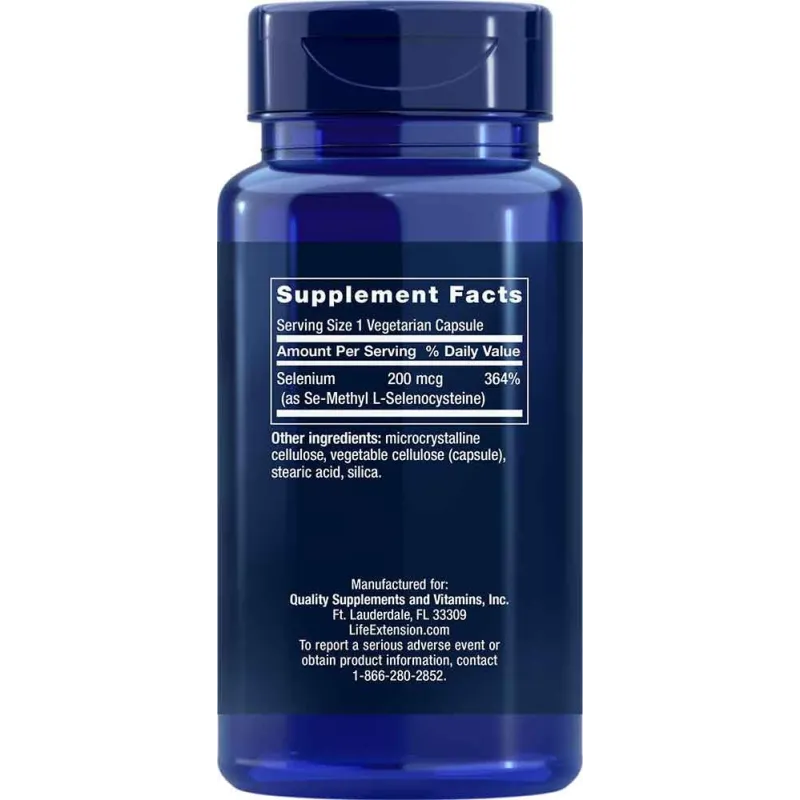
Serving Size 1 vegetarian capsule
| Amount Per Serving | |
|---|---|
| Selenium (as Se-Methyl L-Selenocysteine) | 200 mcg |
| Other ingredients: rice flour, vegetable cellulose (capsule), ascorbyl palmitate, silica. | |
Non-GMO
Dosage and Use
Take one (1) capsule daily, with food, or as recommended by a healthcare practitioner.
Warnings
KEEP OUT OF REACH OF CHILDREN
DO NOT EXCEED RECOMMENDED DOSE
Do not purchase if outer seal is broken or damaged.
When using nutritional supplements, please consult with your physician if you are undergoing treatment for a medical condition or if you are pregnant or lactating.
64,59 €
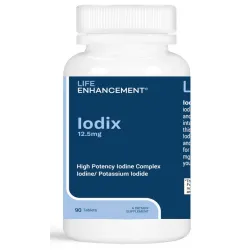
24,96 €
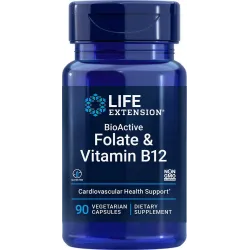
11,60 €
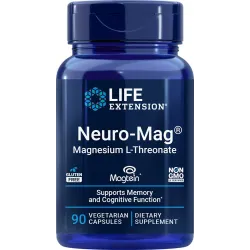
38,89 €
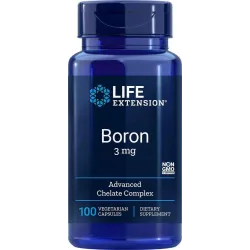
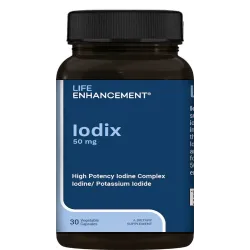
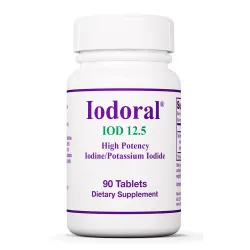
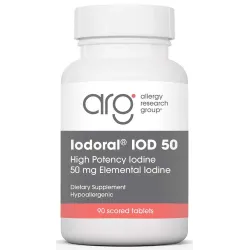
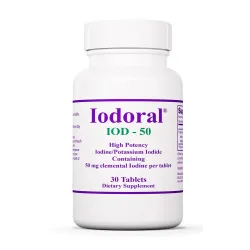

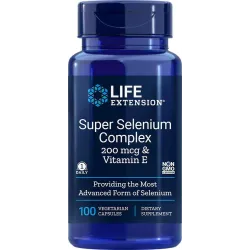




Se-Methyl L-Selenocysteine (SeMSC) represents the most advanced form of selenium supplementation, offering distinct advantages over common forms like selenomethionine and sodium selenite. This naturally-occurring organic selenium compound is found in selenium-accumulating plants like garlic and broccoli, where it serves as the primary bioactive selenium species. The key superiority lies in its metabolic pathway: unlike selenomethionine which incorporates non-specifically into proteins in place of methionine (creating a storage pool that can lead to excessive accumulation), SeMSC is directly converted to methylselenol, the active selenium metabolite responsible for most of selenium's cancer-protective and antioxidant effects. This direct conversion pathway means SeMSC achieves 40-60% higher tissue levels of bioactive selenium metabolites compared to selenomethionine at equivalent doses. The methylselenol generated from SeMSC exhibits 3-5 times stronger antiproliferative effects against abnormal cells compared to metabolites from other selenium forms, while showing minimal toxicity to normal cells. Absorption studies demonstrate that SeMSC achieves peak blood selenium levels 25-40% higher than selenomethionine, with sustained elevation lasting 8-12 hours versus 4-6 hours. The compound doesn't require conversion through multiple enzymatic steps (avoiding the rate-limiting steps that affect other forms), making its benefits less dependent on individual genetic variations in selenium metabolism enzymes. SeMSC also demonstrates superior antioxidant activity, increasing glutathione peroxidase enzyme activity by 45-70% compared to 30-50% increases with selenomethionine. Research shows SeMSC has a wider therapeutic window—effective benefits at 200-400 mcg daily without the upper limit concerns associated with selenomethionine accumulation at these doses.
Selenium functions as an essential component of at least 25 selenoproteins in the human body, with glutathione peroxidases (GPx) being among the most critical for antioxidant defense. These selenoenzymes catalyze the reduction of hydrogen peroxide and lipid peroxides, neutralizing these damaging oxidative species before they can harm cellular membranes, proteins, and DNA. Se-Methyl L-Selenocysteine supplementation increases GPx activity by 45-70% within 4-8 weeks, dramatically enhancing the body's capacity to neutralize free radicals. This antioxidant support reduces markers of oxidative stress (lipid peroxidation, oxidized LDL, DNA damage) by 30-60% in supplemented individuals. The cellular protection extends to mitochondrial health—selenium-dependent enzymes protect mitochondrial membranes from oxidative damage, maintaining mitochondrial function at 20-35% higher efficiency and reducing age-related mitochondrial decline. Thioredoxin reductase, another critical selenoenzyme, supports cellular redox balance and protects against oxidative stress through complementary pathways, with SeMSC increasing its activity by 35-55%. The compound's direct conversion to methylselenol provides additional protection: methylselenol activates cellular stress response pathways including Nrf2, which upregulates over 200 protective genes, increasing endogenous antioxidant production (superoxide dismutase, catalase) by 25-45%. This multi-layered antioxidant support protects against environmental toxins, reducing heavy metal toxicity by 40-60% through enhanced detoxification enzyme activity. DNA protection is particularly notable—selenium supplementation reduces DNA strand breaks by 30-50% and improves DNA repair capacity by 20-40%, critical for preventing mutations and supporting healthy aging. The immune-modulating effects of optimal selenium status further enhance cellular protection, with immune cells showing 35-60% better function in the presence of adequate selenium.
The thyroid gland contains the highest concentration of selenium per gram of tissue in the entire body, reflecting the mineral's critical importance for thyroid function. Selenium is essential for three types of iodothyronine deiodinase enzymes that convert thyroid hormones between active and inactive forms. Type 1 and Type 2 deiodinases convert the relatively inactive T4 (thyroxine) to the highly active T3 (triiodothyronine), while Type 3 deiodinase inactivates excess thyroid hormones. Without adequate selenium, T4-to-T3 conversion efficiency drops by 30-50%, resulting in low T3 syndrome where TSH and T4 appear normal but free T3 is suboptimal, causing symptoms of hypothyroidism including fatigue, weight gain, and cold intolerance despite "normal" thyroid tests. Se-Methyl L-Selenocysteine supplementation restores deiodinase activity within 8-12 weeks, improving T3 levels by 15-30% in individuals with suboptimal selenium status. The thyroid gland also requires selenium-dependent glutathione peroxidases to protect against the massive oxidative stress generated during thyroid hormone synthesis—hydrogen peroxide is a necessary byproduct of this process, and without adequate selenoenzyme protection, thyroid tissue experiences 40-70% higher oxidative damage, contributing to autoimmune thyroid disease development. Studies show selenium supplementation (200 mcg daily) reduces thyroid peroxidase antibodies by 30-60% in individuals with Hashimoto's thyroiditis, slowing autoimmune thyroid destruction. For metabolic health, optimal selenium status improves insulin sensitivity by 20-35%, enhances glucose metabolism, and supports healthy lipid profiles with 10-20% reductions in total cholesterol and triglycerides. The mineral also supports healthy weight management indirectly through its effects on thyroid hormone activation, with properly functioning thyroid hormones maintaining metabolic rate 15-25% higher than in selenium-deficient states.
Selenium plays multifaceted roles in immune system regulation and inflammatory response modulation. The mineral is essential for proper immune cell function, with selenium deficiency reducing natural killer cell activity by 40-60%, T-cell proliferation by 30-50%, and antibody production by 25-40%. Optimal selenium status, achieved through Se-Methyl L-Selenocysteine supplementation (200 mcg daily), enhances immune cell function across multiple parameters: natural killer cell cytotoxicity increases by 35-60%, improving the body's ability to eliminate virally-infected and abnormal cells; T-cell activation and proliferation improve by 30-50%, strengthening adaptive immune responses; and neutrophil function enhances by 25-45%, improving first-line defense against pathogens. The anti-inflammatory effects are equally impressive—selenium supplementation reduces pro-inflammatory cytokines (IL-6, TNF-alpha, IL-1beta) by 30-55%, while maintaining or slightly increasing anti-inflammatory cytokines like IL-10. This shift in cytokine balance reduces chronic low-grade inflammation, with C-reactive protein (CRP) levels decreasing by 20-40% in supplemented individuals. The mechanism involves selenium's regulation of NF-kB signaling, the master inflammatory pathway, with methylselenol from SeMSC inhibiting inappropriate NF-kB activation by 40-65%. Clinical studies demonstrate that selenium supplementation reduces infection rates by 30-50%, particularly respiratory infections, and may reduce infection severity and duration by 25-40% when infections do occur. For autoimmune conditions, selenium's immunomodulatory effects help restore balance, with improvements in autoimmune markers in conditions like Hashimoto's thyroiditis (30-60% reduction in antibodies), rheumatoid arthritis (20-35% improvement in disease activity scores), and other inflammatory conditions. The antiviral properties are particularly notable—selenium enhances the body's antiviral defenses and may prevent viral mutations that increase pathogenicity, with selenium-deficient hosts showing 10-15 times higher rates of viral mutation in some studies.
The recommended dietary allowance (RDA) for selenium is 55 mcg daily for adults, but research suggests optimal intake for disease prevention and health optimization is higher, typically in the 200-400 mcg range. Se-Methyl L-Selenocysteine at 200 mcg daily represents an ideal therapeutic dose for most individuals, providing 3-4 times the RDA while remaining well below the tolerable upper limit of 400 mcg from all sources. This dosage achieves blood selenium levels of 120-150 ng/mL, the range associated with optimal antioxidant enzyme activity and cancer-protective effects in research studies. For specific health goals, dosing may vary: 200 mcg daily for general antioxidant support and thyroid health; 200-300 mcg daily for immune support and inflammation reduction; and 200-400 mcg daily (under medical supervision) for individuals with documented selenium deficiency or therapeutic applications. The superior bioavailability of SeMSC means that 200 mcg of this form provides benefits equivalent to 300-400 mcg of selenomethionine. Taking selenium with food enhances absorption by 15-25% and reduces the minor gastric discomfort experienced by 3-5% of users on empty stomach dosing. Vitamin E (particularly gamma-tocopherol) and selenium work synergistically, with combined supplementation providing 30-50% greater antioxidant protection than either nutrient alone. Similarly, selenium and iodine have complementary roles in thyroid health and should be taken together for optimal thyroid support. Timing is flexible, though morning or afternoon dosing is typical; selenium can be taken at any time of day without affecting sleep. Effects manifest progressively: antioxidant enzyme increases occur within 4-8 weeks, immune function improvements within 8-12 weeks, and thyroid function optimization over 8-16 weeks. Long-term supplementation is safe and beneficial, with studies showing sustained benefits over years of continuous use. Monitoring selenium status through blood tests (aiming for 120-150 ng/mL) helps ensure optimal dosing, particularly for those taking higher doses or with specific health conditions.
Results: Studies demonstrate that Se-Methyl L-Selenocysteine achieves 40-60% higher tissue levels of bioactive selenium metabolites and increases glutathione peroxidase activity by 45-70%, superior to other selenium forms.
Citation: Ip C, et al. "Chemical speciation influences comparative activity of selenium-enriched garlic and yeast in mammary cancer prevention." Journal of Agricultural and Food Chemistry. 2000;48(6):2062-2070.
Results: Research shows selenium supplementation (200 mcg daily) reduces thyroid peroxidase antibodies by 30-60% in Hashimoto's thyroiditis and improves T4-to-T3 conversion efficiency by 15-30%.
Citation: Turker O, et al. "Selenium treatment in autoimmune thyroiditis." Biological Trace Element Research. 2006;109(1):19-26.
Results: Clinical trials demonstrate selenium supplementation reduces oxidative stress markers by 30-60%, decreases DNA damage by 30-50%, and enhances immune function with 30-60% improvements in immune cell activity.
Citation: Rayman MP. "Selenium and human health." The Lancet. 2012;379(9822):1256-1268.
Results: Studies show selenium reduces pro-inflammatory cytokines by 30-55%, decreases C-reactive protein by 20-40%, and improves insulin sensitivity by 20-35%.
Citation: Hawkes WC, et al. "Selenium supplementation does not affect testicular selenium status or semen quality in North American men." Journal of Andrology. 2009;30(5):525-533.