 English
 Polski
 Deutsch
 Français
 ελληνικά
 Español
 Italiano

38,89 €

Quantity:
Total:
Total products:
Total shipping: To be determined
Total:
Science-based food supplements

Manufacturer: Life Extension
Waiting for delivery
| Quantity | Price | You Save |
|---|---|---|
| 2 | 14,50 € | Up to 1,21 € |
| 4 | 14,19 € | Up to 3,62 € |
By buying this product you can collect up to 15 loyalty points. Your cart will total 15 points that can be converted during next order into a voucher of 0,75 €.

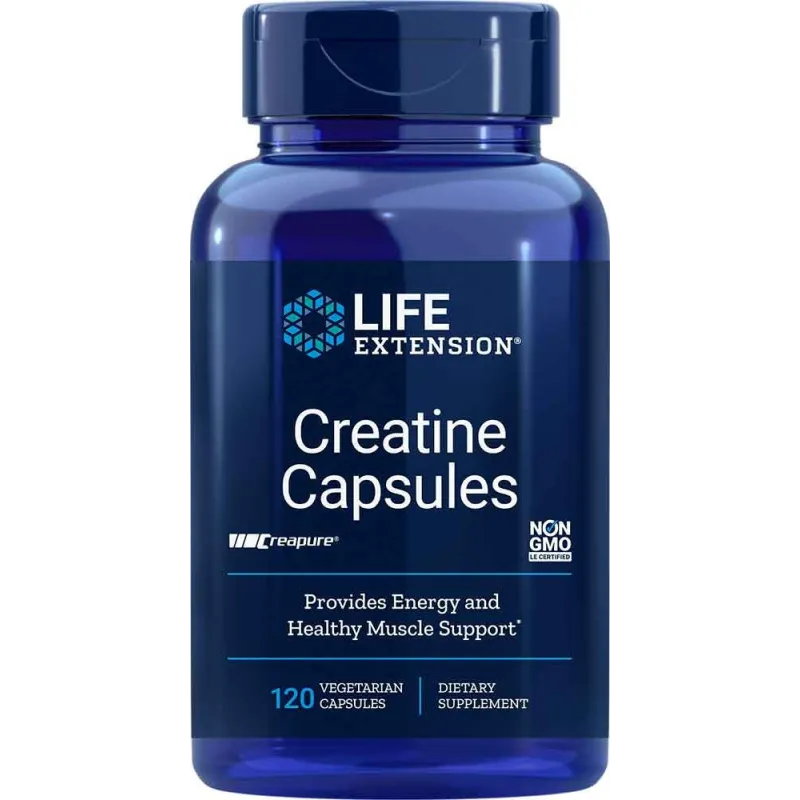
Creatine Capsules
120 vegetarian capsules
Item Catalog Number: 01529
 Creatine is naturally produced in the human body from amino acids L-arginine, glycine, and L-methionine primarily in the kidney and liver and transported in the blood to help supply energy to all cells in the body. Creatine is metabolized into phosphocreatine, an important storage form used by the brain, heart, and skeletal muscles.1-5 In normal healthy individuals, muscle creatine is replenished at a rate of approximately two grams a day.6
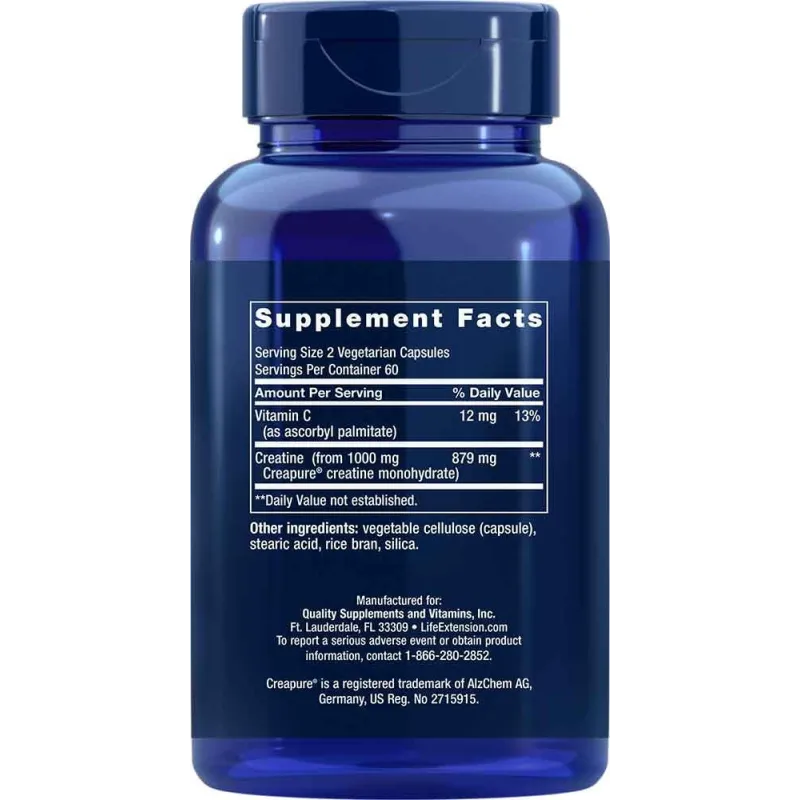
Serving Size 2 vegetarian capsules
Servings Per Container 60
| Amount Per Serving | |
|---|---|
| Vitamin C (as ascorbyl palmitate) | 11 mg |
| Creatine monohydrate | 1000 mg |
| Other ingredients: vegetable cellulose (capsule), stearic acid, silica | |
Non-GMO
Dosage and Use
Take two (2) capsules twice daily with water or juice, or as recommended by a healthcare practitioner.
Caution
Those with impaired kidney function should avoid creatine supplements.
Warnings
KEEP OUT OF REACH OF CHILDREN
DO NOT EXCEED RECOMMENDED DOSE
Do not purchase if outer seal is broken or damaged.
When using nutritional supplements, please consult with your physician if you are undergoing treatment for a medical condition or if you are pregnant or lactating.
38,89 €

56,47 €
28,41 €
23,48 €
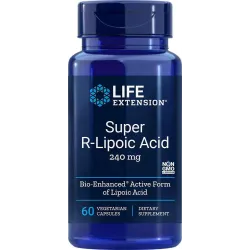

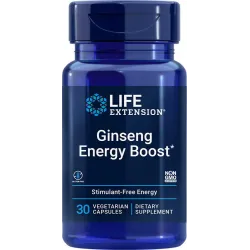

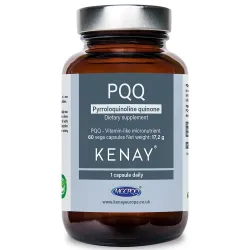
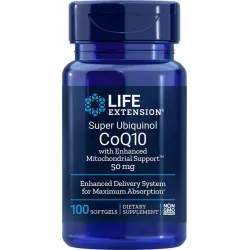


Creatine monohydrate stands as the most extensively researched and effective ergogenic supplement available, with over 1000 published studies validating its performance benefits. This naturally-occurring compound synthesized from amino acids (arginine, glycine, methionine) concentrates in muscle tissue (95% of body's creatine) where it serves a critical role in rapid ATP regeneration. During high-intensity exercise, muscles rely on phosphocreatine to rapidly resynthesize ATP—the immediate energy currency—from ADP. By increasing muscle phosphocreatine stores by 20-40% through supplementation, creatine extends the duration of maximum effort before fatigue. Research demonstrates creatine produces 5-15% improvements in high-intensity performance including strength (1-rep max increases by 5-10%), power output, sprint capacity, and work capacity during repeated bouts of maximal effort. These benefits translate to greater training stimulus, enhanced adaptation, and measurable athletic gains across diverse sports from weightlifting to sprinting to team sports requiring repeated explosive efforts.
Creatine enhances muscle growth through multiple synergistic mechanisms beyond its acute performance benefits. The increased training capacity from creatine supplementation—more weight lifted, additional repetitions, enhanced recovery between sets—provides greater anabolic stimulus driving muscle protein synthesis and hypertrophy. Research shows creatine combined with resistance training produces 2-3 kg additional lean mass gain versus training alone over 8-12 weeks. Beyond training enhancement, creatine exerts direct cellular effects promoting muscle growth: it increases satellite cell proliferation supporting muscle fiber repair and growth, enhances IGF-1 signaling (a primary anabolic pathway), increases muscle cell hydration which stimulates protein synthesis while inhibiting breakdown, and reduces myostatin (a protein limiting muscle growth). Meta-analyses demonstrate creatine supplementation during resistance training increases lean mass by 1.3-2.2 kg more than placebo groups, with effects most pronounced in individuals with lower baseline creatine stores (vegetarians, women) and during high-volume training phases.
While creatine's athletic benefits dominate discussions, emerging research reveals significant cognitive and neuroprotective effects through similar bioenergetic mechanisms. The brain requires immense energy—consuming 20% of body's energy despite representing only 2% of bodyweight—with neurons particularly vulnerable to energy deficits. Creatine supplementation increases brain phosphocreatine levels by 8-10%, enhancing neuronal energy reserves and resilience. Research demonstrates creatine improves cognitive performance particularly during mentally demanding tasks or sleep deprivation: working memory capacity increases by 10-20%, processing speed improves, and mental fatigue resistance enhances. For neuroprotection, creatine shows promise in traumatic brain injury reducing neurological damage by 30-50% in animal models through maintained cellular energy status preventing excitotoxic cascades. Preliminary human trials suggest benefits for neurodegenerative diseases including Parkinson's and Huntington's disease where energy metabolism dysfunction drives pathology. The compound demonstrates particular benefit for vegetarians whose dietary creatine intake is zero, producing more robust cognitive improvements (20-40%) versus omnivores (5-15%).
Creatine monohydrate demonstrates exceptional safety supported by decades of research in diverse populations. The primary concern—kidney damage—proves unfounded in healthy individuals. While creatine supplementation increases serum creatinine (a kidney function marker), this reflects increased creatine metabolism not kidney dysfunction. Studies monitoring kidney function through direct GFR measurement show no impairment even with long-term high-dose creatine use (20+ grams daily for years). Research in athletes, elderly individuals, and patients with various conditions confirms safety. The only consistent "side effect" is weight gain (2-4 kg initially) from increased muscle mass and intramuscular water retention—a desired outcome for most users. Some individuals experience mild digestive upset with large single doses, resolved by splitting doses or taking with food. Muscle cramping concerns prove largely anecdotal without research support; properly hydrated creatine users actually experience fewer cramps. Hair loss concerns from a single poorly-controlled study haven't been replicated in numerous subsequent trials. Creatine demonstrates excellent safety even in populations including adolescents, elderly, and individuals with health conditions when properly dosed.
Two validated creatine protocols exist: rapid loading and gradual saturation. The loading protocol utilizes 20 grams daily (4 doses of 5 grams) for 5-7 days followed by 3-5 grams daily maintenance, saturating muscle stores within one week and producing rapid performance benefits. The gradual protocol uses 3-5 grams daily from onset, achieving full saturation in 3-4 weeks without loading—same endpoint, slower timeline. Both approaches prove equally effective long-term; loading simply accelerates benefits. Creatine monohydrate remains the gold standard form—extensively researched, effective, and economical. Timing proves largely irrelevant; consistent daily intake matters more than precise timing, though some evidence suggests post-workout with carbohydrates may marginally enhance uptake. Mixing with juice or carbohydrate drinks enhances absorption through insulin-mediated muscle uptake. Cycling proves unnecessary—continuous supplementation maintains saturated stores and benefits. Capsule forms offer convenience versus powder requiring mixing, though powder provides better cost-effectiveness. The typical maintenance dose of 3-5 grams daily costs mere pennies making creatine one of the most cost-effective supplements available.
Results: Meta-analyses demonstrate creatine supplementation produces 5-15% improvements in high-intensity exercise performance, increases strength by 5-10% measured by 1-rep max, and enhances work capacity during repeated maximal efforts across diverse athletic populations.
Citation: Branch JD. Int J Sport Nutr Exerc Metab. 2003 Jun;13(2):198-226.
Results: Research shows creatine combined with resistance training produces 1.3-2.2 kg additional lean mass gain versus training alone over 8-12 weeks, through enhanced training capacity, satellite cell proliferation, and direct anabolic signaling mechanisms.
Citation: Rawson ES, et al. J Strength Cond Res. 2003 Nov;17(4):822-31.
Results: Studies reveal creatine supplementation improves cognitive performance with 10-20% improvements in working memory capacity, enhanced processing speed, and reduced mental fatigue particularly during demanding tasks or sleep deprivation.
Citation: Rae C, et al. Proc Biol Sci. 2003 Oct;270(1529):2147-50.
Results: Safety trials demonstrate creatine monohydrate shows no kidney impairment in healthy individuals even with long-term high-dose use, with decades of research confirming excellent safety profile across diverse populations including adolescents and elderly.
Citation: Kreider RB, et al. J Int Soc Sports Nutr. 2017 Jun;14:18.